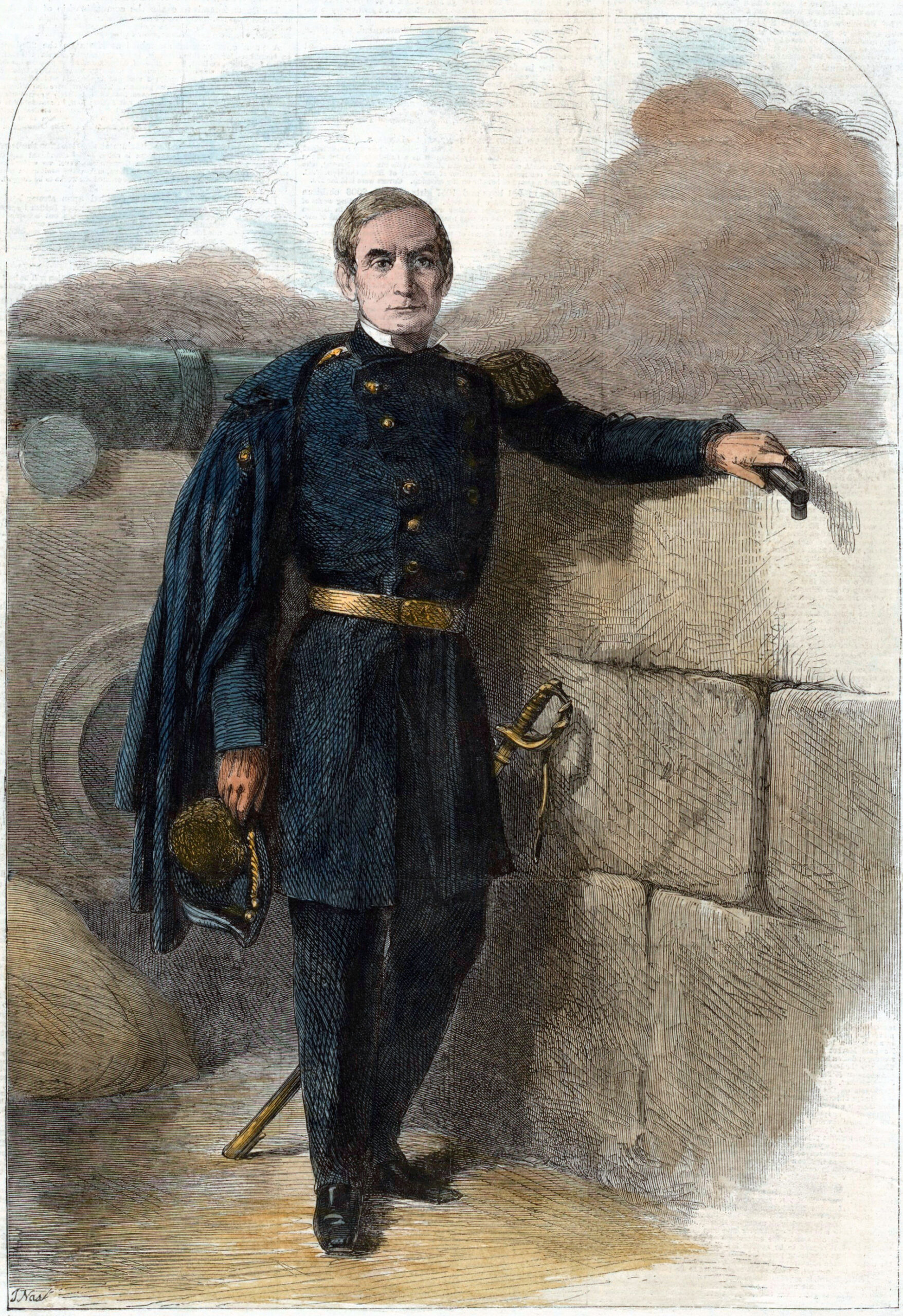
Sulphur and saltpeter &c transfer

War of the Rebellion: from the Official Records of the Union and Confederate Armies and Navies
Executive Department,
Milledgeville, Ga. , May 13 , 1861.
Hon. L. P. Walker,
Secretary of War, Montgomery, Ala.:
Sir: In reply to your note of the 7th instant, in which you say “I wish to know if Your Excellency will feel authorized to transfer to the Confederate Government the sulphur and saltpeter purchased some time since for the State of Georgia and still in your possession, provided cash payment be made for it,” I would state that I will feel authorized to make such transfer, provided the Confederate Government will at the same time and on the same terms accept the transfer of all the ordnance, shot, and shell which have been procured by this State from the Tredegar Works since the beginning of our present troubles, and also the steamer Huntress, recently purchased from parties in New York at the price of $ 15,000, with the necessary attending expenses incurred in bringing her to Savannah. This steamer was purchased to be used in our coast defense, but has been as yet mostly used in transporting troops and military stores between Savannah and the forts and coast below. It is true this steamer is not altogether such a boat as I would have purchased had I been unlimited in my selections, but at the time the selection was the best that could be made, and with some alterations will, it is thought by competent judges, be useful along our coast and inlets. The ordnance proposed to be transferred is mostly—I believe entirely—of heavy caliber, suited only for sea-coast defense; all which, together with said steamer, now that the Government of the Confederate States has assumed by authority all control over the forts and military operations in Georgia, have become, to the State separately, of no value. Hence I consider it but just that in transferring the powder materials above alluded to (and which are now worth, and would undoubtedly command in the market, a much larger sum than they cost), the Confederate Government should accept also the said ordnance, shot and shell, and the steamer at what they actually cost the State.
If your proposition thus modified shall meet the approval of the Confederate Government, I shall hold myself in readiness to cause the transfer to be made at any moment designated. Some days since I caused to be sent to you by the adjutant and inspector general a statement of the quantity and cost of the said powder materials, from which you will perceive they were bought at a low price.
I have the honor to be, very respectfully, your obedient servant,
JOSEPH E. BROWN.
P. S.—The cost of mounting the guns above alluded to of course will be also taken into the account in making the transfer.
0 comments

Saw for the first time the demoralization produced by hopes of freedom.—Mary Boykin Miller Chesnut.

Civil War Day-by-Day

May 13th.—We have been down from Montgomery on the boat to that God-forsaken landing, Portland, Ala. Found everybody drunk—that is, the three men who were there. At last secured a carriage to carry us to my brother-in-law’s house. Mr. Chesnut had to drive seven miles, pitch dark, over an unknown road. My heart was in my mouth, which last I did not open.

Next day a patriotic person informed us that, so great was the war fever only six men could be found in Dallas County. I whispered to Mr. Chesnut: “We found three of the lone ones hors de combat at Portland.” So much for the corps of reserves—alcoholized patriots.

Saw for the first time the demoralization produced by hopes of freedom. My mother’s butler (whom I taught to read, sitting on his knife-board) contrived to keep from speaking to us. He was as efficient as ever in his proper place, but he did not come behind the scenes as usual and have a friendly chat. Held himself aloof so grand and stately we had to send him a “tip” through his wife Hetty, mother’s maid, who, however, showed no signs of disaffection. She came to my bedside next morning with everything that was nice for breakfast. She had let me sleep till midday, and embraced me over and over again. I remarked: “What a capital cook they have here!” She curtsied to the ground. “I cooked every mouthful on that tray—as if I did not know what you liked to eat since you was a baby.”

0 comments

Civil War Day-By-Day

Civil War Day-by-Day

May 13, 1861

  • George McClellan [US] appointed Commander, Department of Ohio. The following day he is promoted major general, his rank in the Ohio militia. Only General-in-Chief Winfield Scott held a higher rank.
  • Queen Victoria of the United Kingdom issues a “proclamation of neutrality” which recognizes the Confederacy as having belligerent rights.
  • The First Wheeling Convention opens (West Virginia)
  • U.S. troops occupy Baltimore, Maryland
  • North Carolina elects delegates to the Secession Convention

A Chronological History of the Civil War in America1

  • Anti-secession Convention of delegates from the counties of Western Virginia met at Wheeling—35 counties represented.
  • Union troops under Gen. Butler took possession of Federal Hill, Baltimore. ( (During night of May 12/13)
  • Travel through Baltimore re-established.
  • Blockade of the Mississippi at Cairo established.
  • Queen Victoria issued a proclamation enjoining neutrality in the contest between the North and South.

  1. A Chronological History of the Civil War in America by Richard Swainson Fisher, New York, Johnson and Ward, 1863
0 comments

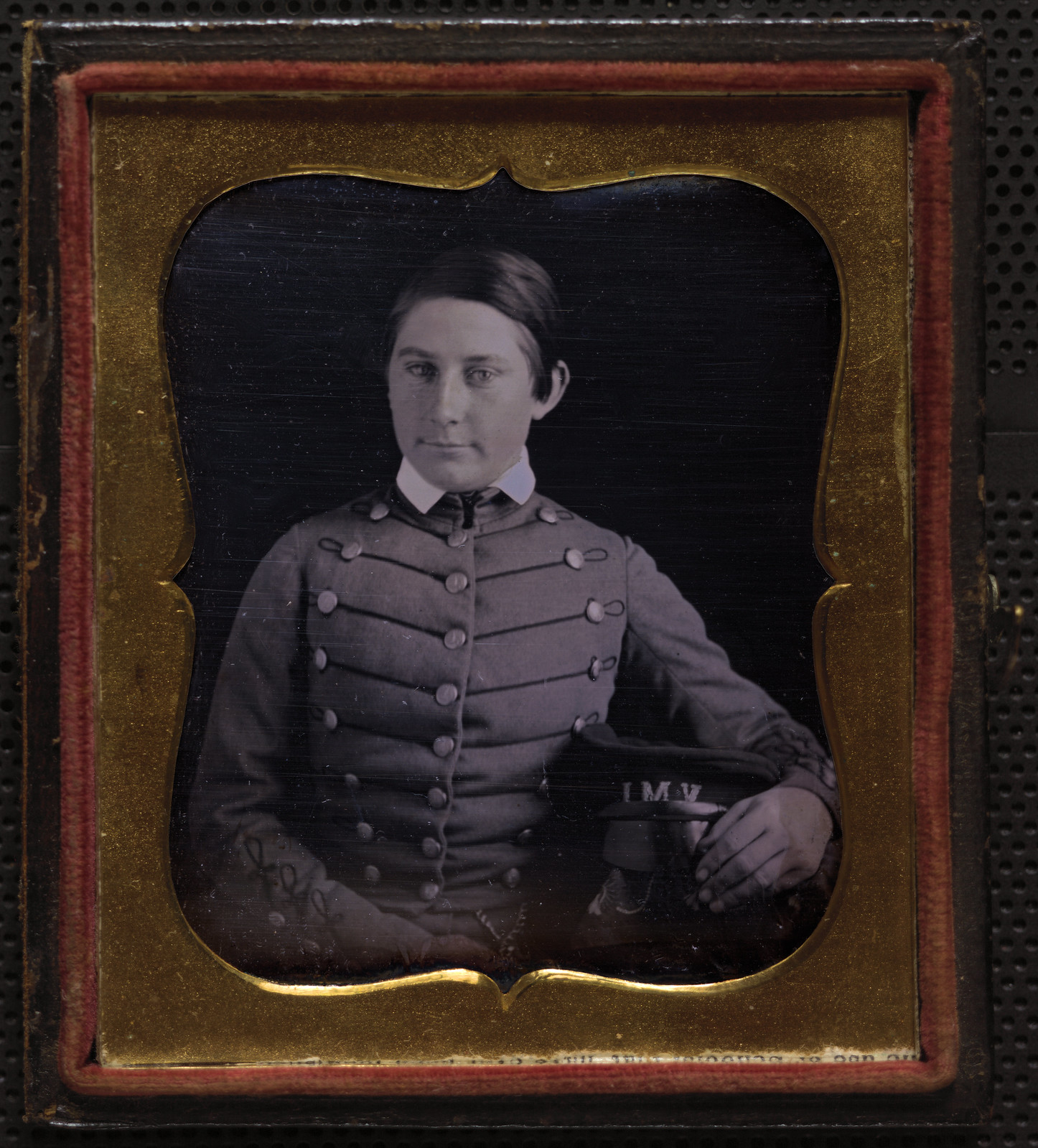
Unidentified cadet in Virginia Military Institute uniform (1845)

Civil War Day-by-Day

Civil War Era Photographic Portraiture #001

Title: [Unidentified cadet in Virginia Military Institute uniform]
Date Created/Published: 1845.
Medium: 1 photograph : sixth-plate daguerreotype ; 9.4 x 8.1 cm (case)
Summary: Portrait of a young man who, in later years, might have fought in the Civil War as a Confederate soldier. The initials VMI, visible on his cap, are laterally reversed because of the daguerreotype process.
Reproduction Number: LC-DIG-ppmsca-34334 (digital file from original item)
Rights Advisory: No known restrictions on publication.
Call Number: DAG no. 1447 [P&P]
Notes:
…..Title devised by Library staff.
…..Case: Rinhart, no. 138 (reverse image).
…..Gift; Tom Liljenquist; 2012; (DLC/PP-2012:127).
…..More information about this collection is available at http://hdl.loc.gov/loc.pnp/pp.lilj
…..Purchased from: Bill Turner, La Plata, Maryland, 2012.
…..Forms part of: Liljenquist Family Collection of Civil War Photographs (Library of Congress).
…..Forms part of: Daguerreotype collection (Library of Congress).

___________
Mike’s notes:

Note – This image has been digitally adjusted for one or more of the following:
– fade correction,
– color, contrast, and/or saturation enhancement
– selected spot and/or scratch removal
– cropped for composition and/or to accentuate subject

0 comments

Bombardment

Frank Leslie’s Illustrated Newspaper
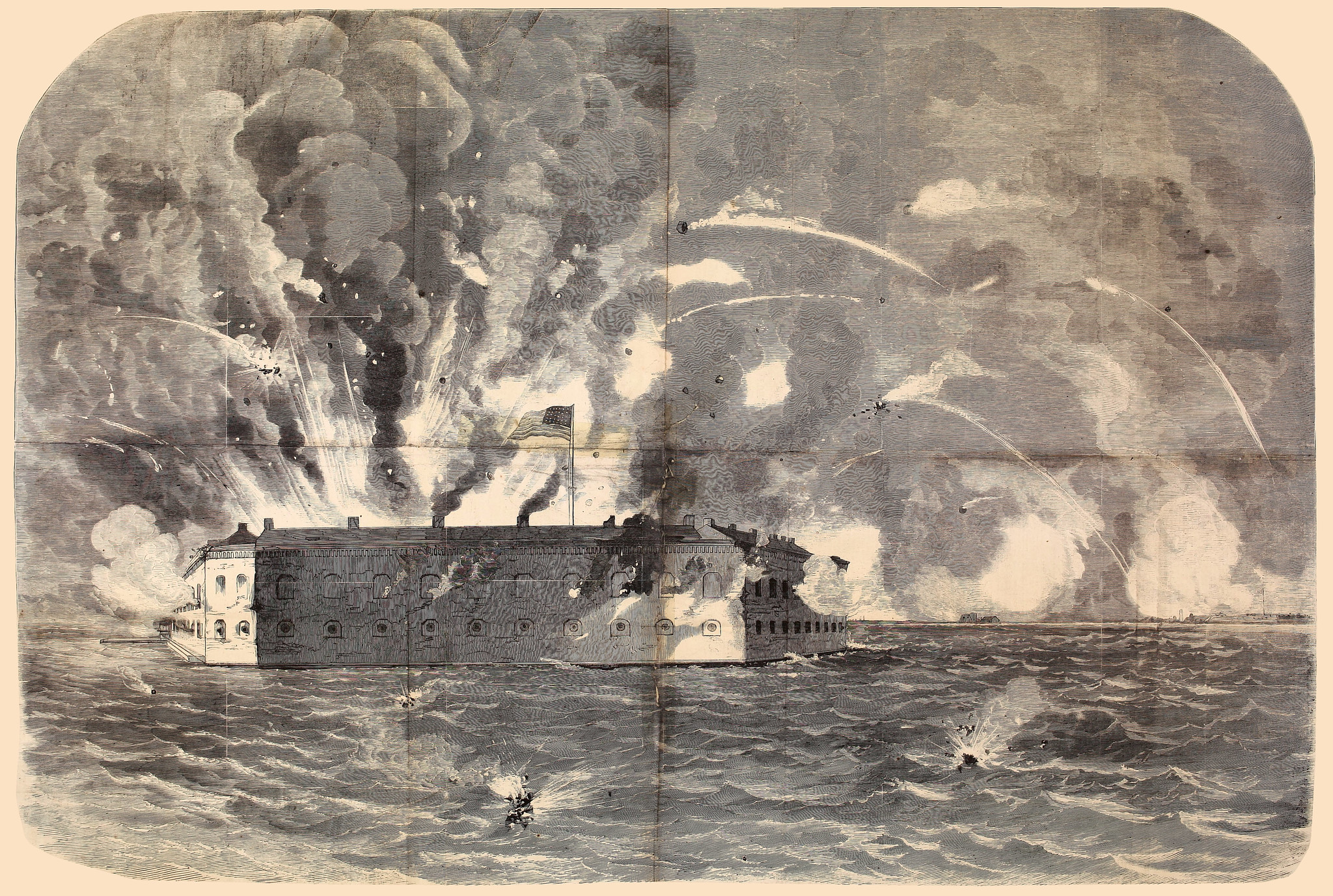
The Bombardment of Fort Sumter, Charleston Harbor, the 12th and 13th of April, 1861—This Picture was taken by our Special Artist, shortly before the Surrender of Major Anderson, when the Officers' Quarters were on Fire.

The Bombardment of Fort Sumter, Charleston Harbor, the 12th and 13th of April, 1861—This Picture was taken by our Special Artist, shortly before the Surrender of Major Anderson, when the Officers’ Quarters were on Fire.

Frank Leslie’s Illustrated Newspaper, April 27, 1861

0 comments

“Some 4000 troops have arrived during last night and today.”—Horatio Nelson Taft

Diary of US patent clerk Horatio Nelson Taft.

SUNDAY 12

Pleasant warm day. Went to church with wife & children. Doct Smith preached in the afternoon. The church was half full of soldiers of the R.I. Regt. Some 4000 troops have arrived during last night and today. The Regiments now in quarters paraded this evening as usual. We were at F[ranklin]. Square. I caught cold during the wet weather and am half sick, have not felt worse in a good while. Wrote a letter to Bro C R today. Did not go onto the Ave today, retired early.


The three diary manuscript volumes, Washington during the Civil War: The Diary of Horatio Nelson Taft, 1861-1865, are available online at The Library of   Congress.

0 comments

Those who might have at one time opposed secession, have now bowed their heads to the majesty of the majority—William Howard Russell

My Diary North and South – William Howard Russell

May 12th.—Mr. Forsyth had been good enough to invite me to an excursion down the Bay of Mobile, to the forts built by Uncle Sam and his French engineers to sink his Britishers—now turned by “C. S. A.” against the hated Stars and Stripes. The mayor and the principal merchants and many politicians—and are not all men politicians in America?—formed the party. If any judgment of men’s acts can be formed from their words, the Mobilites, who are the representatives of the third greatest port of the United States, will perish ere they submit to the Yankees and people of New York. I have now been in North Carolina, South Carolina, Georgia, Alabama, and in none of these great States have I found the least indication of the Union sentiment, or of the attachment for the Union which Mr. Seward always assumes to exist in the South. If there were any considerable amount of it, I was in a position as a neutral to have been aware of its existence.

Those who might have at one time opposed secession, have now bowed their heads to the majesty of the majority; and with the cowardice, which is the result of the irresponsible and cruel tyranny of the multitude, hasten to swell the cry of revolution. But the multitude are the law in the United States. “There’s a divinity doth hedge” the mob here, which is omnipotent and all good. The majority in each State determines its political status according to Southern views. The Northerners are endeavoring to maintain that the majority of the people in the mass of the States generally, shall regulate that point for each State individually and collectively. If there be any party in the Southern States which thinks such an attempt justifiable, it sits silent, and fearful, and hopeless in darkness and sorrow hid from the light of day. General Scott, who was a short time ago written of in the usual inflated style, to which respectable military mediocrity and success are entitled in the States, is now reviled by the Southern papers as an infamous hoary traitor and the like. If an officer prefers his allegiance to the United States’ flag, and remains in the Federal service after his State has gone out, his property is liable to confiscation by the State authorities, and his family and kindred are exposed to the gravest suspicion, and must prove their loyalty by extra zeal in the cause of secession. [continue reading…]

0 comments

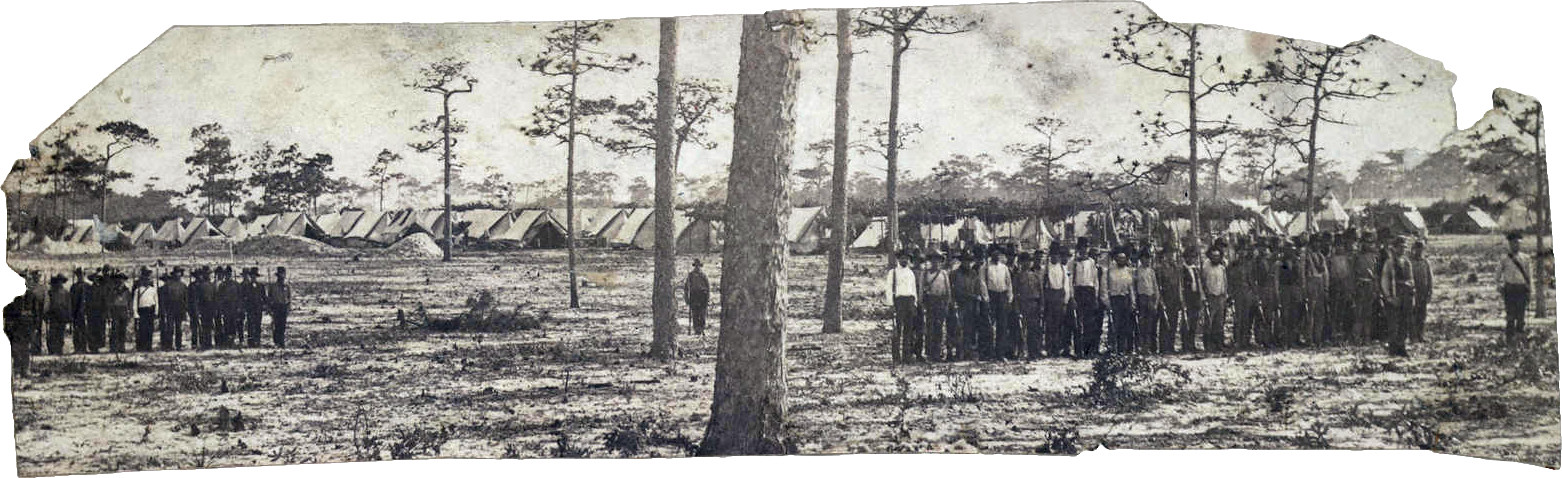
Confederate camp—Photograph showing 9th Miss. Confederate soldiers at camp near Pensacola, Fla., Ap. 1861 (attributed to J. D. Edwards)

Library of Congress

This image is from a scrapbook assembled by Illustrator and Civil War correspondent James Edward Taylor (1839-1901)

Scrapbook 2, page 2—Photographs by J.D. Edwards depicting Confederate soldiers drilling and at rest near Pensacola, Florida, and environs, c. 1861.Albumen prints, 14 ½ x 12 in.

The scrapbook is in the James E. Taylor Collection at The Huntington Library, Art Museum, and Botanical Gardens in San Mateo, California.

Another copy of the image is found at the Library of Congress (click on image to view larger version)

Confederate camp - Photograph showing 9th Miss. Confederate soldiers at camp near Pensacola, Fla., Ap. 1861 attributed to J. D. Edwards (small)Title: Confederate camp
Date Created/Published: [photographed 1861 April, printed later]
Medium: 1 photographic print on card mount: gelatin silver.
Summary: Photograph showing 9th Miss. Confederate soldiers at camp near Pensacola, Fla., Ap. 1861.
Reproduction Number: LC-DIG-ppmsca-35460 (digital file from original item) LC-B818-10024 (b&w glass neg.)
Rights Advisory: No known restrictions on publication.
Call Number: LOT 4210, no. 21 [P&P]
Repository: Library of Congress Prints and Photographs Division Washington, D.C. 20540 USA
Notes:
……Title from item.
……Photo attributed to J. D. Edwards.
……”Reproduced in Miller, vol. I, p. 201″.

https://www.loc.gov/pictures/item/2013651856/
___________
Mike’s notes:

Note – This image has been digitally adjusted for one or more of the following:
– fade correction,
– color, contrast, and/or saturation enhancement
– selected spot and/or scratch removal
– cropped for composition and/or to accentuate subject

0 comments

Occupation of Baltimore by General Butler.

Miscellaneous document sources

Occupation of Baltimore by General Butler. Union troops passing down Lee Street, May 12, 1861. Portion of Boston artillery flanked by Infantry of the 6th Mass. regiment to Federal HillOccupation of Baltimore by General Butler. Union troops passing down Lee Street, May 12, 1861. Portion of Boston artillery flanked by Infantry of the 6th Mass. regiment to Federal Hill

New York Public Library Digital Collections

Sketches for Frank Leslie’s Illustrated Newspaper: 138 original drawings of the Civil War by staff artists, 1861-1864.

Lumley, Arthur (ca. 1837-1912) (Artist)

Statement of responsibility: by Arthur Lumley.

Extent: 1 drawing : pencil ; 16.4 x 25 cm.

Note – This image has been digitally adjusted for one or more of the following:
– fade correction,
– color, contrast, and/or saturation enhancement
– selected spot and/or scratch removal
– cropped for composition and/or to accentuate subject matter
– straighten image

0 comments

Begging.

News of the Day

Memphis Daily Appeal
Tennessee
May 12, 1861

We particularly commend the following item to the attention of those who
encourage impostors by giving money to beggars in the streets. Yesterday officer Van Campen having some suspicions that all was not right in the case of Angelo Batti, a cripple who has been engaged in soliciting “charity” from a credulous public, last evening took him into custody. At the stationhouse the keeper, Mr. Olin, on searching him found on him a hundred and fourteen dollars and fifteen cents in gold and silver, certificates of deposit on a bank in New Orleans of three hundred dollars, and an individual note for ten dollars. He was fined twenty-five of his ill-gotten dollars, which he paid and left to seek in a more genial clime more dupes to administer to his avarice.

0 comments

Rebel War Clerk

Civil War Day-by-Day
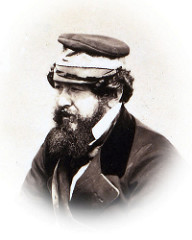
A likeness of Jones when he was editor and majority owner of the Daily Madisonian during President John Tyler’s administration.

MAY 12th. — To-day I set out for Montgomery. The weather was bright and pleasant. It is Sunday. In the cars are many passengers going to tender their services, and all imbued with the same inflexible purpose. The corn in the fields of Virginia is just becoming visible; and the trees are beginning to disclose their foliage.

0 comments

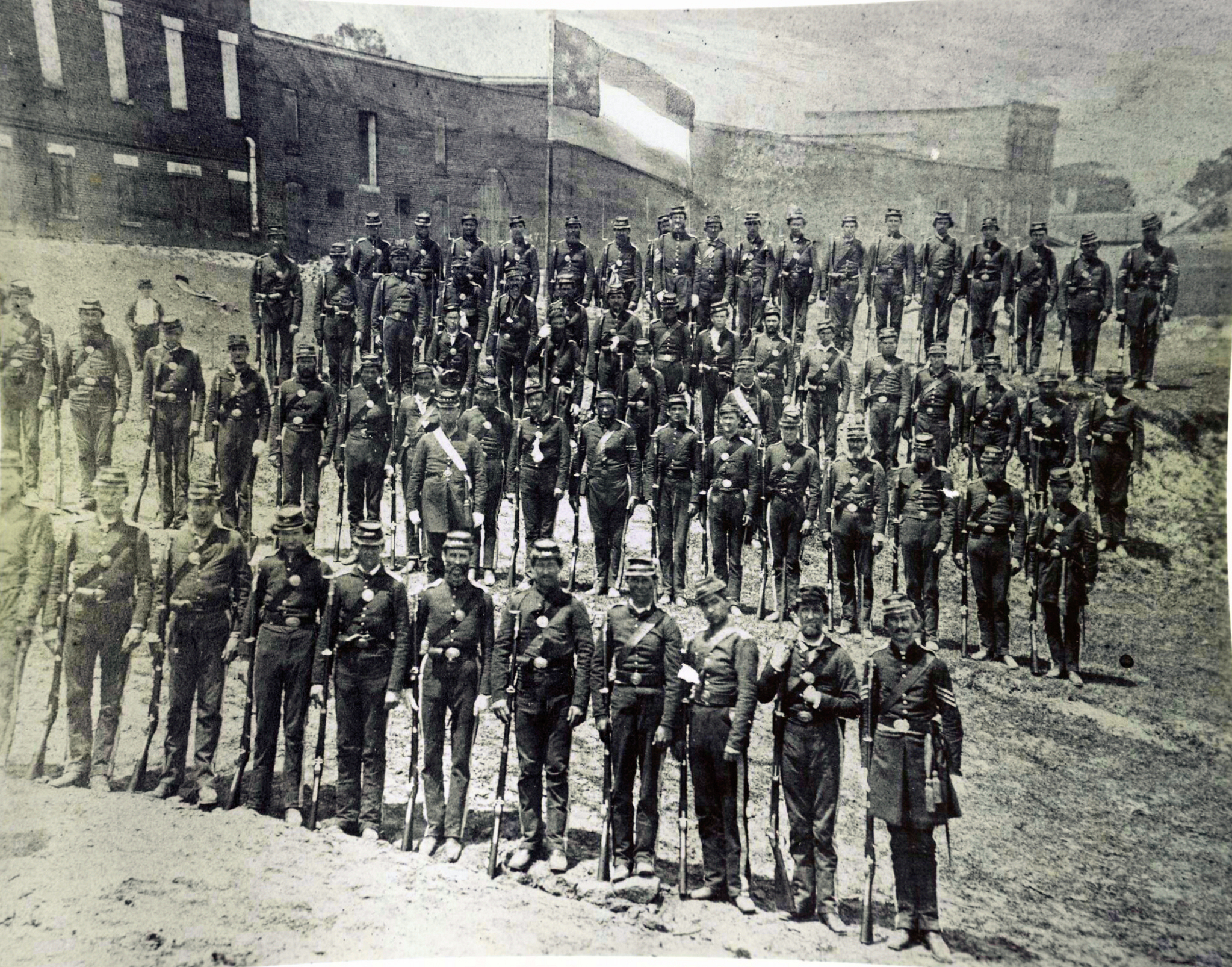
Sumter Light Guards

Library of Congress
 Sumter Light Guards, Company K, 4th Regiment Georgia Volunteer Infantry, CSA. April 1861

Title: Sumter Light Guards, Company K, 4th Regiment Georgia Volunteer Infantry, CSA. April 1861
Date Created/Published: photographed 1861, [printed later]
Medium: 1 photographic print on card mount : gelatin silver.
Summary: Photograph showing four rows of Confederate soldiers with guns and one soldier holding the Confederate flag.
Reproduction Number: LC-DIG-ppmsca-35463 (digital file from original item) LC-B8184-10186-A (b&w film copy neg.)
Rights Advisory: No known restrictions on publication.
Call Number: LOT 4210, no. 24 [P&P]
Repository: Library of Congress Prints and Photographs Division Washington, D.C. 20540 USA
Notes:
….Title from item.

https://www.loc.gov/pictures/item/2013651859/

___________
Mike’s notes:

Note – This image has been digitally adjusted for one or more of the following:
– fade correction,
– color, contrast, and/or saturation enhancement
– selected spot and/or scratch removal
– cropped for composition and/or to accentuate subject

0 comments

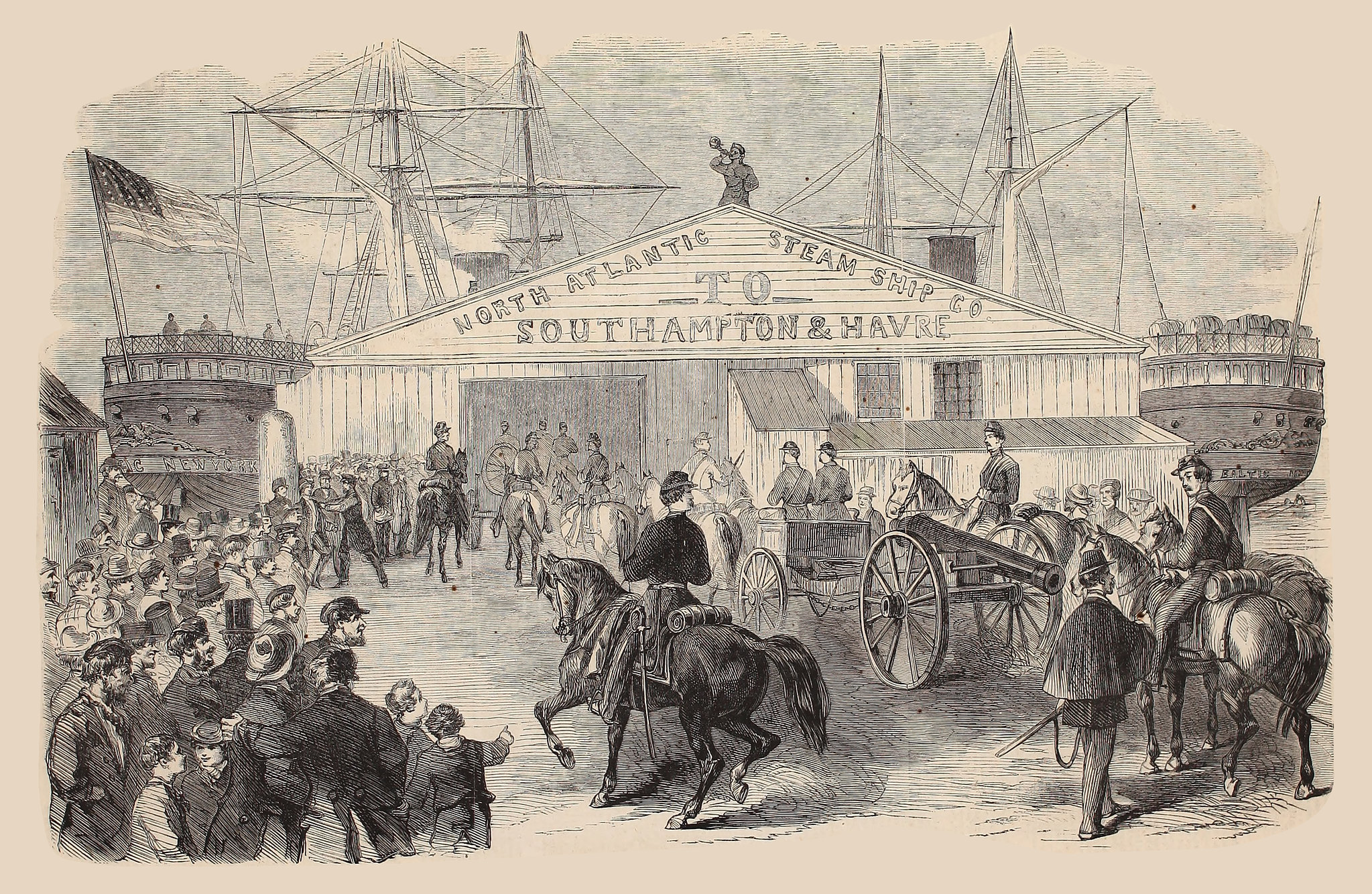
Movement of Troops to the South

News of the Day
Movement of Troops to the South—Their Arrival—Scene Outside of Collins' Dock, at the Foot of Canal Street, New York, April 6, 1861  Frank Leslie's Illustrated Newspaper, April 20, 1861

Movement of Troops to the South—Their Arrival—Scene Outside of Collins’ Dock, at the Foot of Canal Street, New York, April 6, 1861

Frank Leslie’s Illustrated Newspaper, April 20, 1861

0 comments

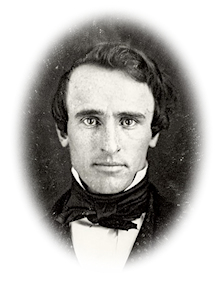
I may be carried off by the war fever—Rutherford B. Hayes

Diary and Letters of Rutherford Birchard Hayes
Rutherford B. Hayes (young)

CINCINNATI, May 12, 1861.

DEAR UNCLE:—. . . The St. Louis and other news revives the war talk. We are likely, I think, to have a great deal of it before the thing is ended. Bryan writes me a long friendly secession letter, one-sided and partial, but earnest and honest. Perhaps he would say the same of my reply to it. I wish I could have a good talk with you about these days. I may be carried off by the war fever, and would like to hear you on it. Of course, I mean to take part, if there seems a real necessity for it, but I am tempted to do so, notwithstanding my unmilitary education and habits, on general enthusiasm and glittering generalities. But for some pretty decided obstacles, I should have done so before now.

All well at home. Lucy hates to leave the city in these stirring times. We hear that some of the Fremont men are at the camp near Milford. I shall see them one of these days, if this is so.

Sincerely,

R.B. HAYES.

S. BIRCHARD.

0 comments

I think never men felt better over a prospect for a fight.

Civil War Day-by-Day

Sunday, May 12th, 6 p.m.

Several men from Alabama arrived here to-day with their backs beaten blue. We caught another spy last night. The drums rolled last night at 11 and we all turned out in the biggest, dark and deepest mud you ever saw. It was a mistake of the drummer’s. Six rockets were let off and he thought that they stood for an attack but they were only signals for steamboats. We thought sure we were attacked, but the boys took it cool as could be, and I think never men felt better over a prospect for a fight. Two hundred troops have landed since I commenced writing this time. Just now the clouds seem to be within 100 yards of the ground. Prospect of a tremendous storm. I am writing standing up in ranks for evening roll call.

0 comments

Yet I like the life very much and am getting as rugged and hearty as an ox—Charles Francis Adams

Civil War Day-by-Day

Charles Francis Adams To His Mother

Fort Independence, May 12, 1861

The truth is that in garrison life, with guard duty three times in two weeks, five hours drill a day and the necessity of waiting on oneself, it is difficult either to write or read much in a room about the size of our bed-room in Boston in which eleven other men are quartered—that is live, eat and sleep— besides myself. Yet I like the life very much and am getting as rugged and hearty as an ox, passing all my time in eating, drilling, sleeping and chaffing. Our mess is made up of very good fellows indeed, all friends of mine, such men as Clark and Pratt, the two celebrated rowers, Tom Motley, Jr., Caspar Crowninshield, Fred d’Hauteville, etc. Our life is one of rigid garrison duty: reveille at half past five with breakfast at six; dress parade at seven; a squad drill at eight and a company drill at ten; at twelve dinner and at three a battalion drill which lasts until half past five, when we have an evening dress parade, which finishes work for those off guard for the day. At six we have tea and amuse ourselves till half past nine, when tattoo beats and we go to bed and after a little sky-larking quickly to sleep. When on guard, which every man is about twice a week, it is rather restless, as for twenty-four hours we are on guard two hours and off four, day and night, and properly can’t leave the guard room; but as our mess are especial friends of the sergeants rules are rather relaxed in our favor. Food is tolerable, coarse but enough, though devilish unclean at times. In our mess each man takes his turn in washing up the dishes and keeping the quarters of the mess clean. So once in ten days or so visitors see the best blood in America, in the person of your son, washing dishes, sweeping floors, wheeling coal, etc., like a family servant. Meanwhile health is superb and I never looked so browned and hearty in my life. . . .

Outside we hear a good deal of a raging military ardor. A good many young men we know are getting commissions, especially in Gordon’s regiment, and from our mess three men went up in one day, among them George R. Russell’s son Henry; but two of them came back, Hal only staying. Sam Quincy they say is a Captain. Elliot Parkman has a commission of some sort in the navy and Dick Goodwin, George Bangs, Rufus Choate, Greely and Pelham Curtis and others with Gordon. . . .

0 comments

Civil War Day-By-Day

Civil War Day-by-Day

May 12, 1861

  • Benjamin Butler takes control of Federal Hill and threatens to fire on downtown Baltimore if Southern sympathizers protest. (During night of May 12/13)

A Chronological History of the Civil War in America1

  • Renewed attempts of the rebels to destroy bridges on the railroads leading to Baltimore.

  1. A Chronological History of the Civil War in America by Richard Swainson Fisher, New York, Johnson and Ward, 1863
0 comments

From Fort Washita.

News of the Day

Weekly Arkansas Gazette
Little Rock, Arkansas
May 11, 1861

We learn from Mr. Hester, who arrived last evening, direct from Boggy Depot, that the federal troops at Fort Washita, are making preparations to evacuate that post. A gentleman arrived at Boggy Depot on Saturday evening from Fort Washita, informed Mr. Hester, that the commander there had advertised for one hundred wagons, for transportation to Fort Leavenworth, Kansas Territory, but the people were unwilling to go at any price. They were offering five dollars per day, but no one could be had. It is supposed that, as soon as they can procure transportation they will evacuate the post immediately.
Mr. H., says, Capt. Sturgiss has taken a road for Fort Leavenworth, and has not gone to Fort Washita. He left the main road about 70 miles from this place. He was informed that two of Capt. S’s men refused to go North with him, one was killed and the other severely wounded with a sabre.
0 comments

The Boston battery at General Butler’s camps, Relay House. Commanding the Baltimore & Ohio Railroad by Patapsco River

Miscellaneous document sources, News of the Day

The Boston battery at General Butler's camps, Relay House. Commanding the Baltimore & Ohio Railroad by Patapsco RiverNew York Public Library Digital Collections

Sketches for Frank Leslie’s Illustrated Newspaper : 138 original drawings of the Civil War by staff artists, 1861-1864.

Schell, Francis H. (1834-1909) (Artist)

Statement of responsibility: by Frank H. Schell.

Extent: 1 drawing : pencil ; 18.5 x 21.6 cm.

Woodcut from this drawing was used for June 1, 1861, Harper’s Weekly.

Note – This image has been digitally adjusted for one or more of the following:
– fade correction,
– color, contrast, and/or saturation enhancement
– selected spot and/or scratch removal
– cropped for composition and/or to accentuate subject matter
– straighten image

0 comments

Receiving Volunteer Forces into the Service of the CSA—The President’s Authority

News of the Day

AN ACT to make further provision for the public defense.

Whereas, war exists between the United States and the Confederate
States; and whereas, the public welfare may require the reception of volunteer forces into the service of the Confederate States without the formality and delay of a call upon the respective States : (Therefore,]
The Congress of the Confederate States of America do enact, That the President be authorized to receive into service such companies, battalions, or regiments, either mounted or on foot, as may tender themselves, and he may require, without the delay of a formal call upon the respective States, to serve for such time as he may prescribe.
SEC. 2. Such volunteer forces who may be accepted under this act, except as herein differently provided, shall be organized in accordance with and subject to all the provisions of the act entitled “An act to provide for the public defense,” and be entitled to all the allowances provided therein; and when mustered into service may be attached to such divisions, brigades, or regiments as the President may direct, or ordered upon such independent or detached service as the President may deem expedient: Provided, however, That battalions and regiments may be enlisted from States not of this Confederacy, and the President may appoint all or any of the field officers thereof.
SEC. 3. The President shall be authorized to commission all officers entitled to commissions of such volunteer forces as may be received under the provisions of this act. And upon the request of the officer commanding such volunteer regiment, battalion, or company, the President may attach a supernumerary officer to each company, detailed from the Regular Army for that purpose, and for such time as the President may direct.
Approved May 11, 1861.
0 comments

He is now under orders and not his own master.

Woolsey family letters during the War for the Union

From the first moment of the firing on Fort Sumter Joseph Howland had felt that “solemn and compelling impulse” that forced men, almost in spite of themselves, into the service of the government. Making his decision quietly, seriously, he gave up the new home and all that it meant, and early in May, 1861, joined the Sixteenth New York Volunteers—a fine regiment from the northern counties of the state, then forming at Albany under the command of Colonel Thomas A. Davies,—into which he was mustered as Lieutenant and Adjutant.


Eliza Woolsey Howland to Mother.

May 11, 1861.

Dear Mother: Joe had a note from his Colonel last night requesting him to report himself at headquarters, 678 Broadway, on Wednesday of this week. This may be merely to take the oath, receive his commission, etc., but he will arrange matters to stay if required. He is now under orders and not his own master. It is generally known now that he is going, and hearty blessings and congratulations pour in upon him. He wrote to Uncle Edward and his sisters last night, and was busy till a very late hour settling business matters and explaining things to me. He goes off with rather a sad heart, but he feels that he is doing right, and I can give him nothing but encouragement. Our friends here have been most kind in their sympathy and in offers of service to me; and, as for me, if I can have all or any of you here I shall be very courageous. Don’t forget our big house in making your summer plans. I would rejoice in having you with me.

0 comments

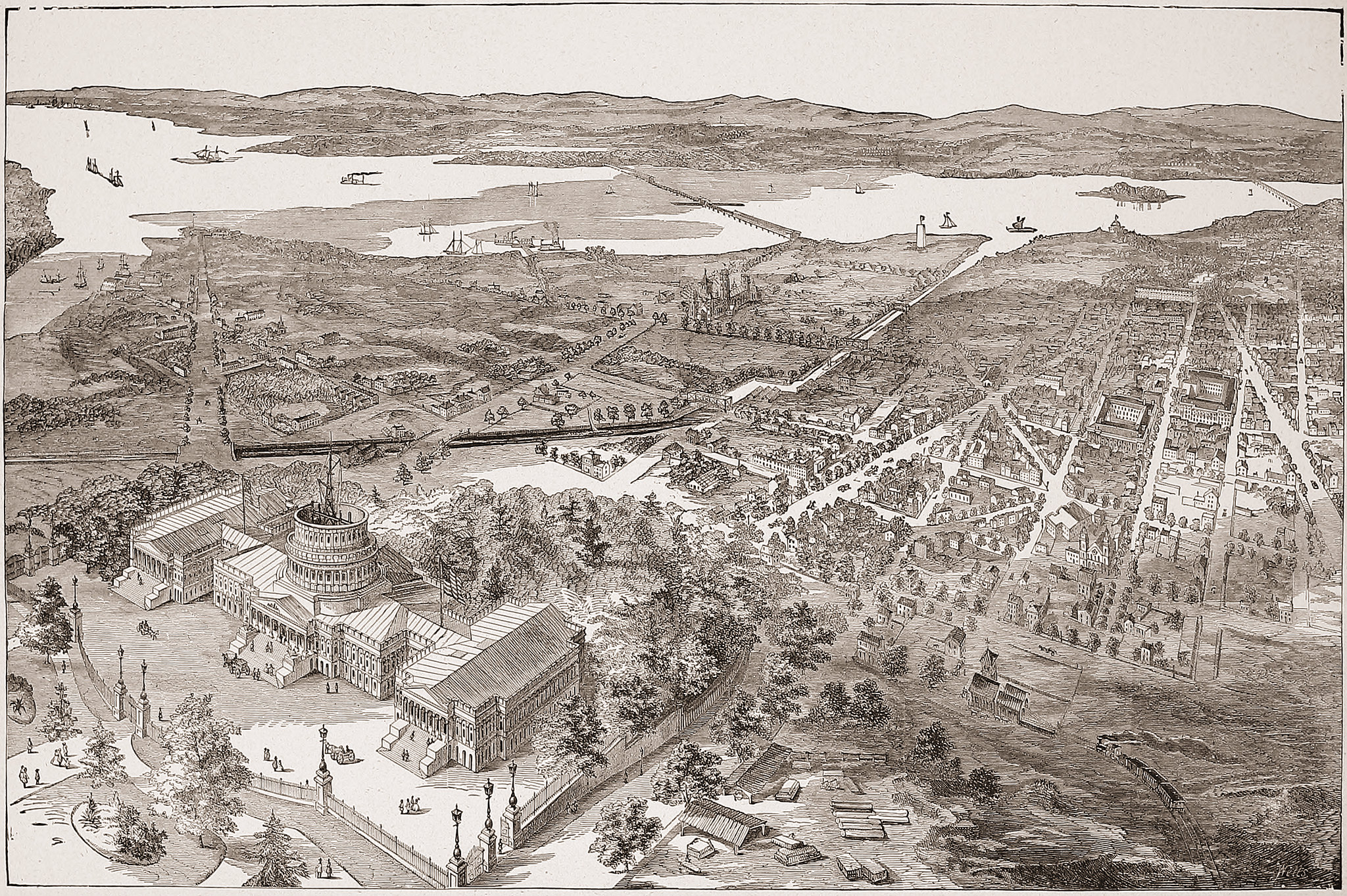
Balloon View of Washington, May, 1861

Miscellaneous document sources

Balloon View of Washington, May, 1861Harper’s Pictorial History of the Civil War by Alfred H. Guernsey and Henry W. Alden; copyrighted 1866 by Harper and Brothers; 1894 by Alfred H. Guernsey and Henry W. Alden; 1894 by McDonnell Bros; pub. The Puritan Press Co.; Chicago, Illinois

0 comments

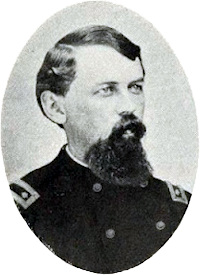
Major Anderson, Late Commandant of Fort Sumter, Charleston Harbour

Civil War Day-by-Day
Civil War Portraits—Leaders, Influencers, and the Incidentally Important #011Major Anderson, Late Commandant of Fort Sumter, Charleston Harbour (handed-tinted off-print, The Illustrated London Times, May 11, 1861)

Robert Anderson (June 14, 1805 – October 26, 1871) was a United States Army officer during the American Civil War. He was the Union commander in the first battle of the American Civil War at Fort Sumter in April 1861 when the Confederates bombarded the fort and forced its surrender to start the war. Anderson was celebrated as a hero in the North and promoted to brigadier general and given command of Union forces in Kentucky. He was removed late in 1861 and reassigned to Rhode Island, before retiring from military service in 1863. (Read more on Wikipedia)

Image information:

handed-tinted off-print, The Illustrated London Times, May 11, 1861

Item Location: Fort Sumter NM/Charles Pinckney NHS Curatorial Storage Facility, located at Charles Pinckney National Historic Site
Box: Box 3 of 3 FOSU 19th c Illustrations Frank Leslie Harper’s Weekly London Times etc Drawer 1.
Held By Fort Sumter and Fort Moultrie National Historical Park
Identifiers
Permanent Link: purl.clemson.edu/C4155C4735BFC23CE0B533FED6F62E4E

___________
Mike’s notes:

Special handed-tinted off-prints were often sold separately from newspapers and other documents. Numerous originals held today by public institutions and in private collections.

Note – This image has been digitally adjusted for one or more of the following:
– fade correction,
– color, contrast, and/or saturation enhancement
– selected spot and/or scratch removal
– cropped for composition and/or to accentuate subject

0 comments

“Attended the parade of the 12th with wife on Franklin Square, then went down to Market with Willie, the black girl carrying the basket.”—Horatio Nelson Taft

Diary of US patent clerk Horatio Nelson Taft.

SATURDAY 11

This has been a fine day and the Military have been all alive. Regiments marching, Bands playing and Drums beating, Bugles sounding, and now and then the deep booming of cannon. I was in the office all day, but was writing & reading the news, having not much official business to transact. Attended the parade of the 12th with wife on Franklin Square, then went down to Market with Willie, the black girl carrying the basket. That performance seems to be the height of her ambition. Sent her home with basket full. Went & got Willie a hat.


The three diary manuscript volumes, Washington during the Civil War: The Diary of Horatio Nelson Taft, 1861-1865, are available online at The Library of   Congress.

0 comments

“They tempted him every way, by threats and by promises..,”—Rebel War Clerk

Civil War Day-by-Day
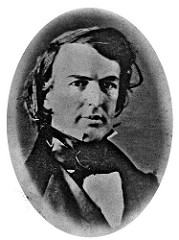
A likeness of Jones when he was editor and majority owner of the Daily Madisonian during President John Tyler’s administration.

MAY 11th. —Robert Tyler has arrived, after wonderful risks and difficulties. When I left Mr. Tyler in the North, the people were talking about electing him their representative in Congress. They tempted him every way, by threats and by promises, to make them a speech under the folds of the “star spangled banner” erected near his house. But in vain. No doubt they would have elected him to Congress, and perhaps have made him a general, if he had fallen down and worshiped their Republican idol, and fought against his father.

0 comments